Overcoming the “First Week” Hurdle: Managing Soreness and Expectations
March 25, 2026
Coping With Initial Soreness and Setting Realistic Expectations
Embarking on a fitness journey can be demanding, especially in the first week when muscle soreness and high hopes often collide. Soreness, particularly after eccentric movements, is common and typically peaks between 24 and 72 hours following exercise. To ease discomfort, stay hydrated, stretch gently, and practice active recovery. Establishing manageable goals keeps you motivated and helps adjust expectations, making your transition smoother. Consider your approach to these early challenges to lay the groundwork for lasting success.
Recognizing Your Body’s Responses During Recovery
Understanding how your body reacts during recovery enhances your progress and wellbeing. Delayed onset muscle soreness (DOMS) generally intensifies within 24 to 72 hours after a workout and is an expected response, especially if you’re returning from a break. The severity of soreness depends on factors like workout intensity, duration, and style, with eccentric exercises causing more discomfort than concentric ones.
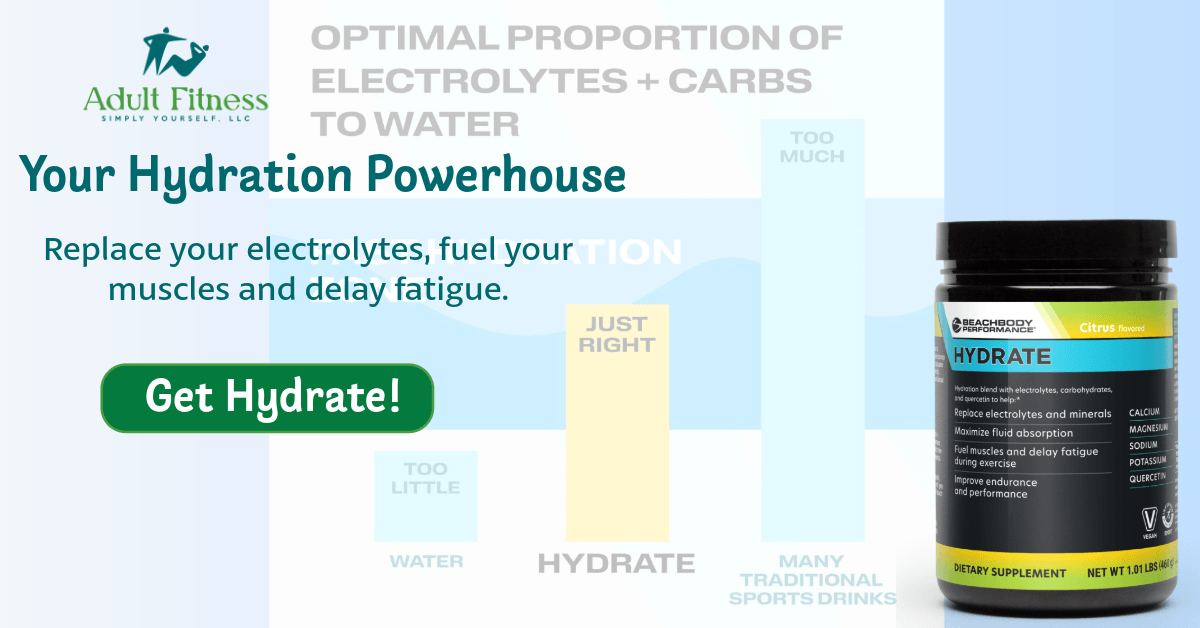
Hydration plays a vital role in recovery by delivering key nutrients and electrolytes for muscle repair and reducing soreness. Listening to your body and allowing adequate rest are crucial; ignoring significant pain could lead to injury and disrupt your fitness path.
Quick Strategies for Easing Soreness
Knowing how your body responds in recovery is the first step toward managing soreness effectively. Prioritize hydration to support muscle healing and flush toxins—drink water consistently, particularly after exercising. Gentle stretching helps relieve stiffness; incorporate daily routines focusing on mobility and flexibility. Active recovery, like easy walks or swimming, increases circulation without overtaxing muscles. Using foam rollers or massage tools can boost blood flow and reduce tension. Quality sleep and proper nutrition, especially sufficient protein intake, are equally important. By adopting these practices, you’ll speed up recovery and build a strong foundation for your fitness pursuits.
Setting Attainable Fitness Goals
Achievable fitness goals are key to maintaining steady progress. Assess your starting abilities—remember that improvement takes time. In your first week, apply the SMART framework (Specific, Measurable, Achievable, Relevant, Time-bound) to clarify your aims. Begin with manageable targets, such as planning three workouts weekly, so you don’t feel overwhelmed.
Regularly review your goals, adjusting them as your fitness evolves or circumstances change. This method sustains motivation and momentum. Combining short-term goals, like finishing a 5K, with long-term objectives, such as increasing strength and flexibility, strengthens your path to ongoing achievement.
Welcoming Progress: Practical Recovery Milestones
After setting realistic goals, embrace incremental progress through sensible recovery milestones. Start by gauging your current fitness and noting any shifts. Gradually increase intensity, for instance by adding a couple more repetitions each week, ensuring sustainable growth without risking injury.
Schedule active recovery days with gentle stretching or walking to ease soreness and aid muscle repair. Use fitness apps to monitor small achievements, reinforcing your commitment. Most importantly, pay attention to your body—distinguish between typical soreness and sharp pain—and modify your milestones for a safe and successful recovery strategy.
Harnessing Support Systems for Motivation
Starting a fitness programme can be daunting, but tapping into support systems matters for staying inspired and achieving results. Participating in online fitness communities offers motivation, accountability, and encouragement, particularly during your initial week. These groups foster shared motivation, helping you navigate early obstacles.
Fitness tracking apps can visually highlight your progress, boosting motivation as you see improvements unfold. Wearables that record heart rate and activity provide actionable feedback to enhance your effort and recovery. Building a network—be it friends, family, or virtual groups—strengthens your commitment to goals. Celebrating minor milestones with support makes it easier to overcome soreness and self-doubt, setting you up for lasting success.
Affiliate Disclosure We are affiliated with several companies. When you purchase a referred product, we get a small commission at no cost to you. Thank you for supporting this woman veteran owned small business!